DIY & How-To Guides
Step-by-Step: How to Hand-Roll Your First Incense Stick
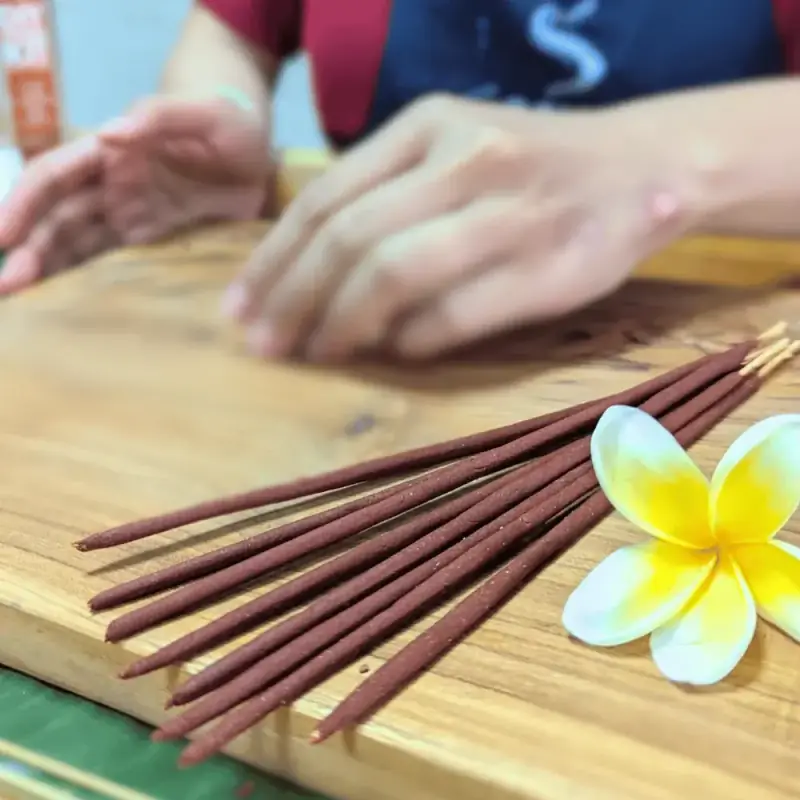
To hand-roll your first incense stick, make a small amount of workable dough, spread it evenly around the bamboo core, and roll with light pressure....
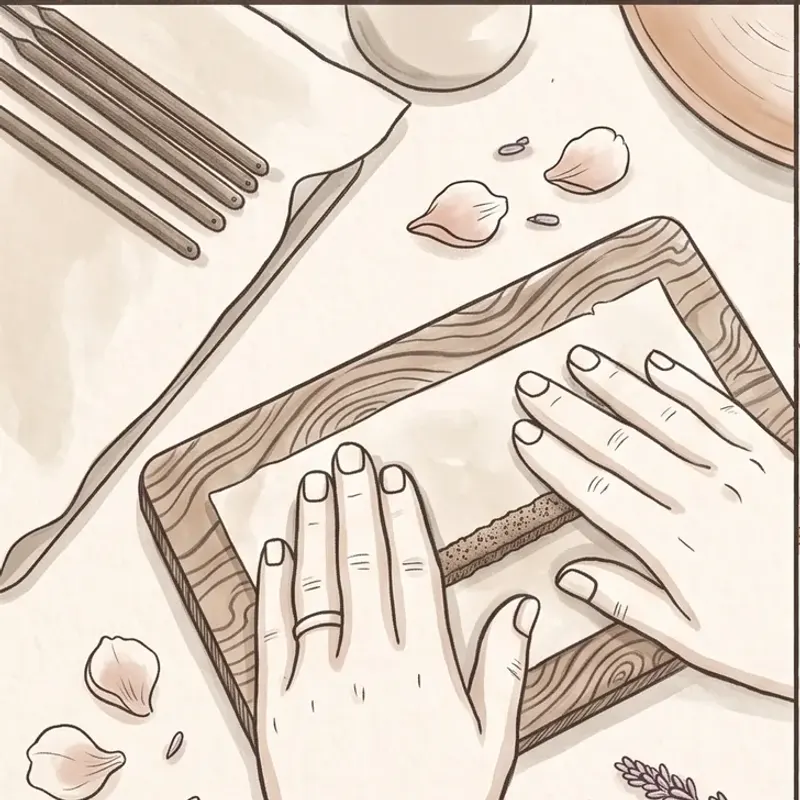
To hand-roll your first incense stick, make a small amount of workable dough, spread it evenly around the bamboo core, and roll with light pressure. Practise one stick before shaping the whole batch. Thin, even work is easier to compare than a thick, lumpy coating.
What you need
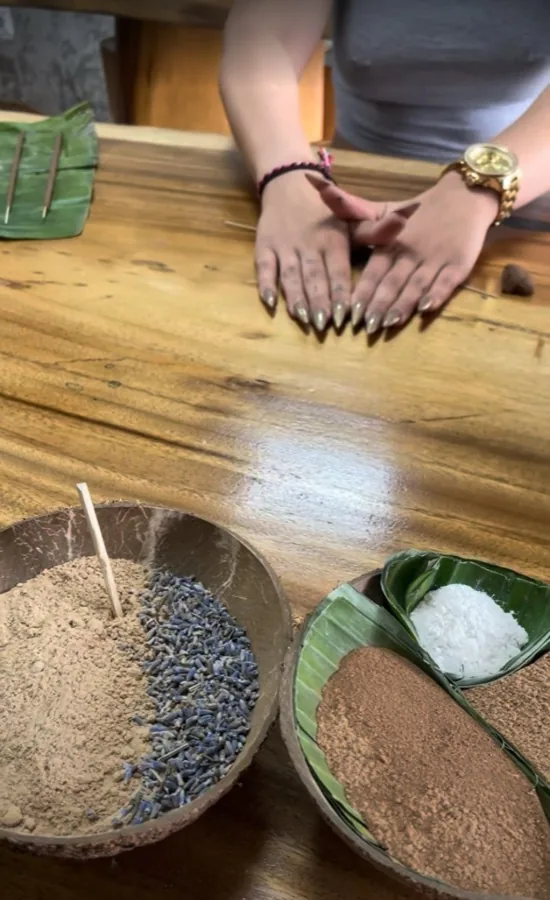
- A tested incense recipe, or the instructions supplied with your DIY kit.
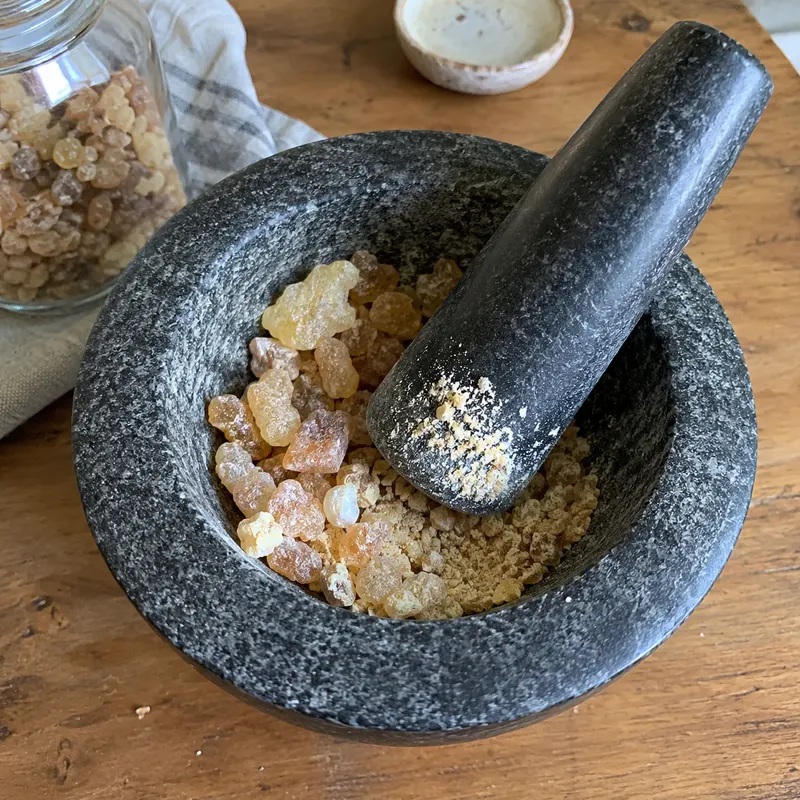
- Finely powdered ingredients and the binder specified in that recipe.
- Water and a way to add it a little at a time.
- Incense-making bamboo cores, if your recipe uses them.
- A clean, smooth rolling board.
- A separate place for drying.
This guide is for bamboo-cored sticks. Coreless sticks and cones need different shaping. Do not use the same movement and expect the same result.
1. Mix a small batch
Measure the dry ingredients, then mix them evenly. Keep a little of the same measured dry mixture aside if your recipe allows it. Do not start by adding a random fragrant powder to fix wet dough.
If you are using a Sacred Smoke DIY kit, follow the kit recipe first. Once you have a useful starting result, it is much easier to understand what an experiment changes.
2. Add water slowly
Add a little water, mix, then knead. Pause and check before adding more. You want dough that you can pick up and shape, rather than a paste that smears everywhere.
KyaraZen's making walkthrough demonstrates gradual water addition and the difference between workable, overly wet and brittle dough. Its shaping method is extrusion; here we use the dough checks as a starting point for hand work.
- Falling apart? Check mixing and hydration.
- Smearing on the board? Stop adding water.
- Changing binder? Return to a recipe written for that product.
3. Put a little dough around the core
Leave the bottom section of the bamboo bare so you can hold it and put it in a suitable holder later.
Start with a small piece of dough. Press it gently around the upper part of the core. Do not try to wrap a large lump around the full stick in one move.
Check the instructions for your cores before preparing them. Different methods use different preparation; soaking is not a universal requirement.
4. Roll with a light hand
Place the coated part on the board. Roll it back and forth under your palm, using light, even pressure.
Work in short sections. Move along the stick gradually, then look at the whole coating.
- A thick patch? Roll that section gently again.
- A bare patch? Add a small amount of dough and join it smoothly.
- A flattened stick? Use less pressure on the next attempt.
- Dough sticking everywhere? Recheck the dough before rolling more sticks.
No need to rush. Try two or three practice sticks and compare them. The goal is an even coating, not a race to finish the bowl. 🌿
5. Check before moving it
Look along the stick at board level. Check for large lumps, cracks and loose coating. Support it while moving it to the drying surface; do not squeeze soft dough with your fingers.
Leave a gap between sticks. Use our drying guide for humid climates to plan where the batch will sit.
6. Dry, then test one
Freshly shaped incense is not ready to burn. Let the batch dry before testing in a suitable holder. Keep the test attended and the holder away from flammable materials.
If a dry stick goes out, use our troubleshooting guide. Do not change several ingredients at once just because the first stick did not work.
Can I use herbs or make cones instead?
Herbs should be part of a tested formula, not a replacement for all the other ingredients. Chopped leaves and finely powdered ingredients behave differently when shaped.
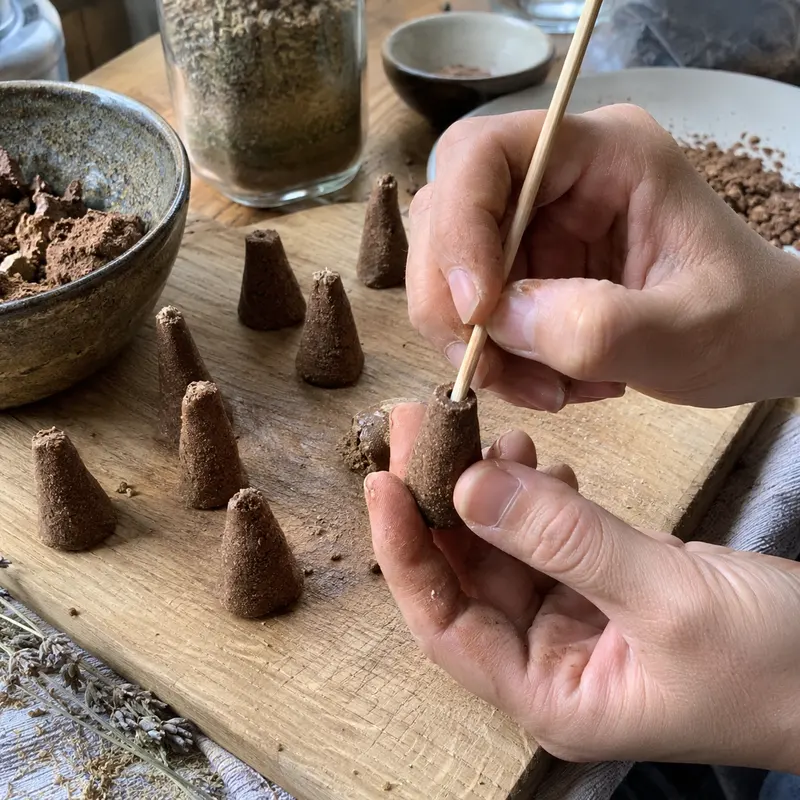
Cones are another option, but their thickness and shape change the drying and burning. See our cones and sticks comparison for that method.
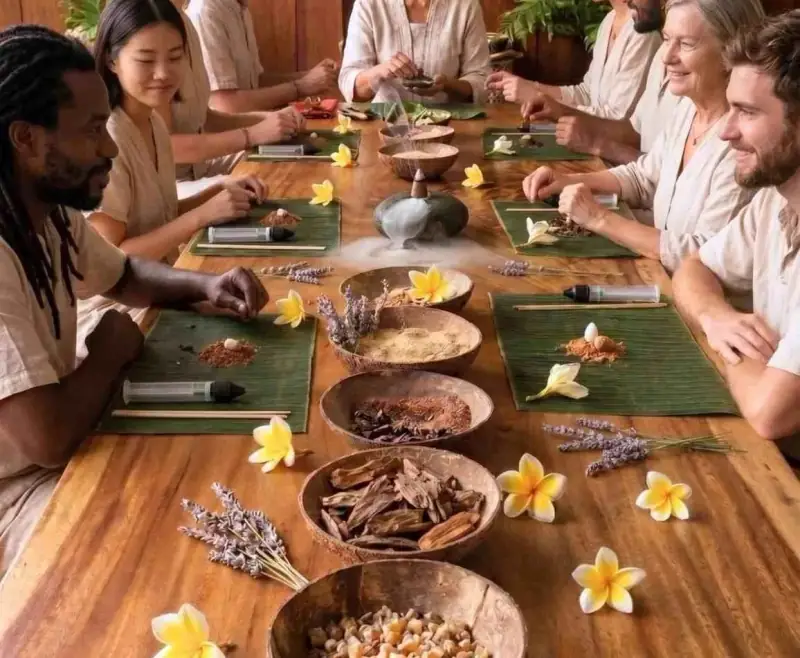
👉 Want to practise at home? Explore our DIY incense kits. If you prefer someone beside you for the mixing and hand movement, join our incense course in Ubud.
Sources and further reading
- Supporting source: Incense stick making: a walkthrough, KyaraZen. Dough preparation; its extrusion technique is different from the hand-rolling method above.
- Further reading: How incense is made, Nippon Kodo. A manufacturer's shaping and drying process.