DIY & How-To Guides
Cones vs. Sticks: Which is Easier to Make at Home?
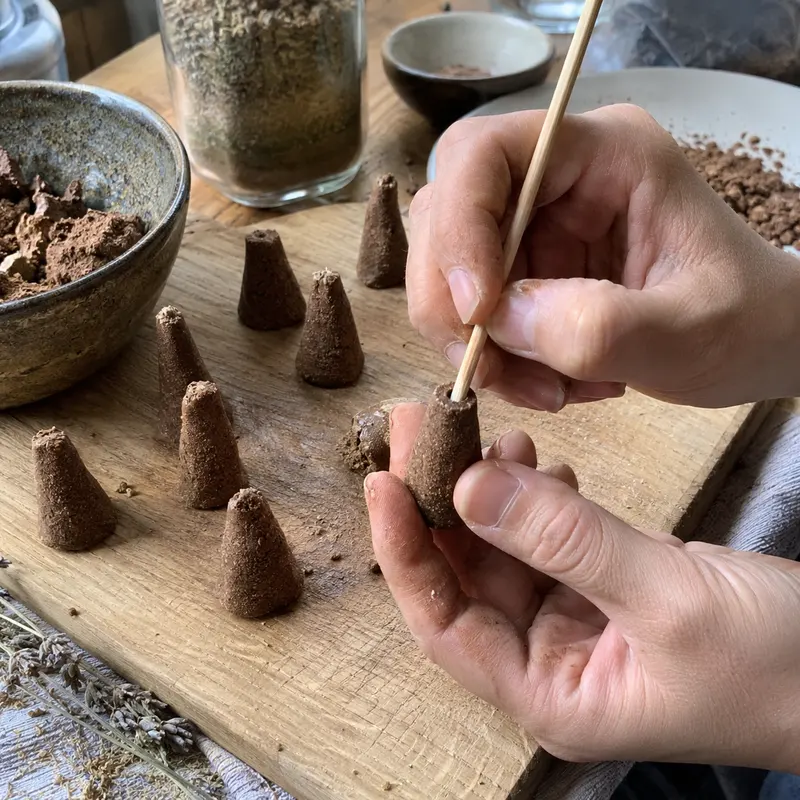
Cones are simpler for beginners because they require no bamboo splints. You simply shape the wet dough into small pyramids using your fingers. In this...
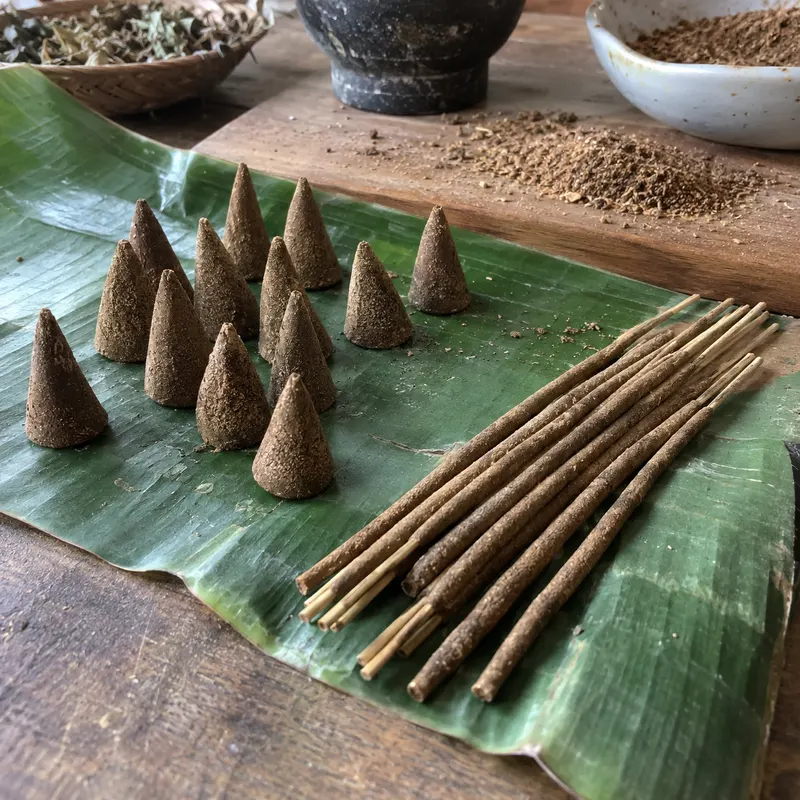
Cones are simpler for beginners because they require no bamboo splints. You simply shape the wet dough into small pyramids using your fingers. In this guide, we break down the exact formula logic, material behavior, and practical techniques behind this craft.
Table of Contents
- Cones: No Bamboo Core, Strong Smoke Output
- Sticks: Steady Burn Duration and Thin Profile
- Drying Differences & Moisture Management
Overview & Material Logic
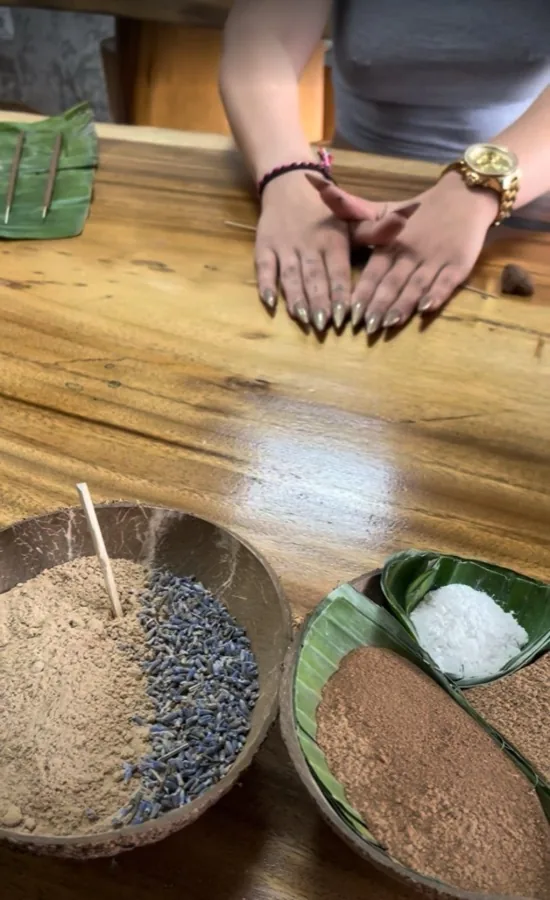
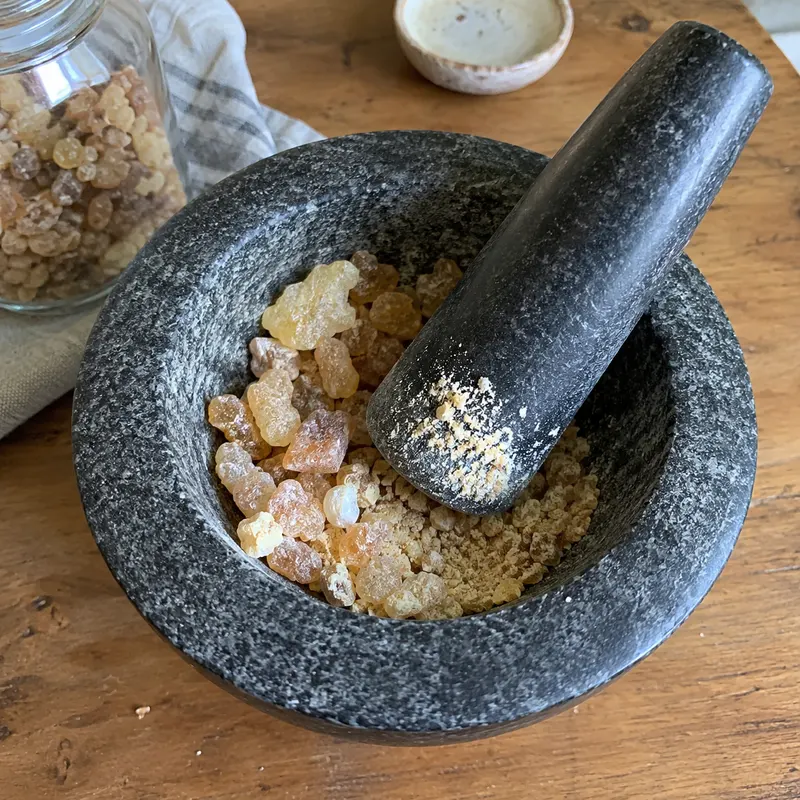
At Sacred Smoke, we do not just help guests make incense; we teach them how incense works. Real incense starts with raw materials: woods, resins, spices, herbs, binders, water, texture, pressure, drying, and burn testing.
However, cones are thicker at the base and take twice as long to dry. Sticks burn longer and more evenly because the thin dough layer cures fast and uniform. Most commercial incense is poorly made or factory-dipped in synthetic solvents. When you learn the craft from scratch, you take full control over what burns in your space.
Cones: No Bamboo Core, Strong Smoke Output
Cones: No Bamboo Core, Strong Smoke Output is a core chapter in understanding material behavior. Making incense is like training: some people go to the gym, some people train. In our atelier, we train.
Every raw botanical material behaves differently under heat. According to documented research compiled by Handmade Crafts & Botanical Formulations Journal, working directly with unadulterated plant materials preserves true botanical integrity without factory-dipped shortcuts.
Essential Formulation Principles
- Raw Botanicals Only: Reject cheap factory blanks soaked in synthetic DPG solvents.
- Formula Logic: Calculate dry weight ratios precisely before adding a single drop of water.
- Material Behavior: Understand how different woods and resins interact during thermal combustion.
Sticks: Steady Burn Duration and Thin Profile
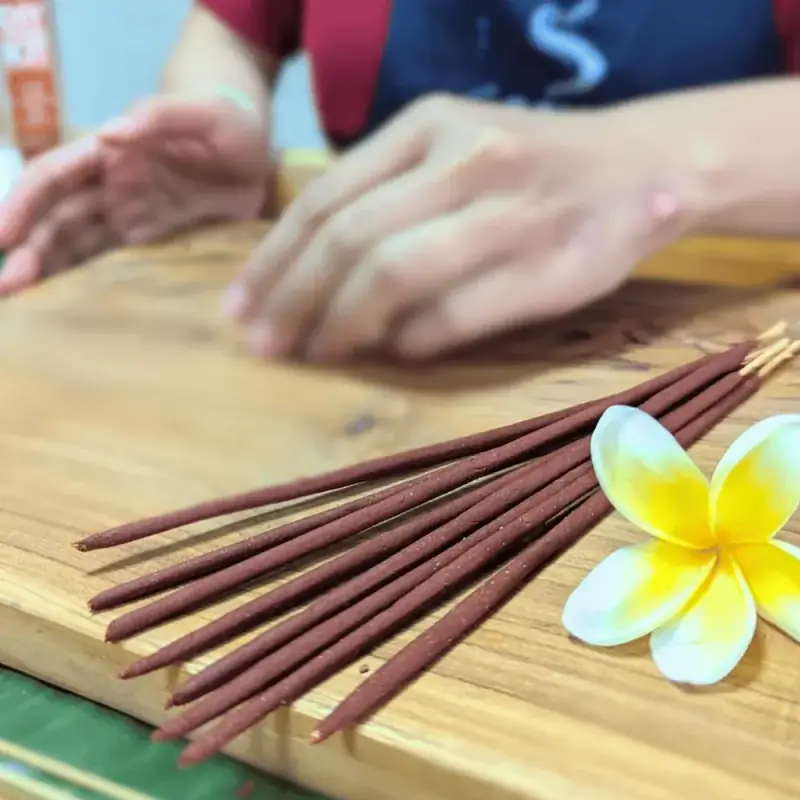
Sticks: Steady Burn Duration and Thin Profile requires close attention to dough hydration, binder activation, and climate-controlled drying. In high humidity environments like Bali, dough moisture determines whether your stick cures straight or warps.
When you knead natural tree bark binder (Makko/Laha) with fragrant base woods like Sandalwood and sweet tree resins like Benzoin, you create a velvety dough. Every step is done by your hands with calm conviction.
Artisan Execution Rules
- Always conduct a burn test on dry powder before committing to a full dough batch.
- Cure wet hand-rolled sticks on porous cardboard or mesh racks away from direct sunlight.
- Store finished cured sticks in airtight glass vessels to allow volatile aromatics to mature.
Drying Differences & Moisture Management
Drying Differences & Moisture Management completes your understanding of this craft. When you light a stick made by your hands from raw botanical materials, the smoke is clean, grounding, and honest.
You are not buying 'our incense.' You are learning the skills to create 'your incense'—crafted with intention, correct formula logic, and zero synthetic shortcuts.
Related Reading in Our Master Collection
Continue your incense-making journey with our next guide: Why is My DIY Incense Not Burning? (Troubleshooting).
External References & Research Sources
- Botanical & Historical Data Source: Handmade Crafts & Botanical Formulations Journal
- Explore Our Atelier Workshops & DIY Kits: Sacred Smoke Incense Course
Begin Your Incense-Making Journey in Ubud
Cones vs. Sticks: Which is Easier to Make at Home? is proof that true quality comes from raw materials and deep skill. If you are ready to move beyond commercial factory products and learn the authentic craft from scratch, we invite you to join our atelier.
Join the Sacred Smoke Incense Course in Bali
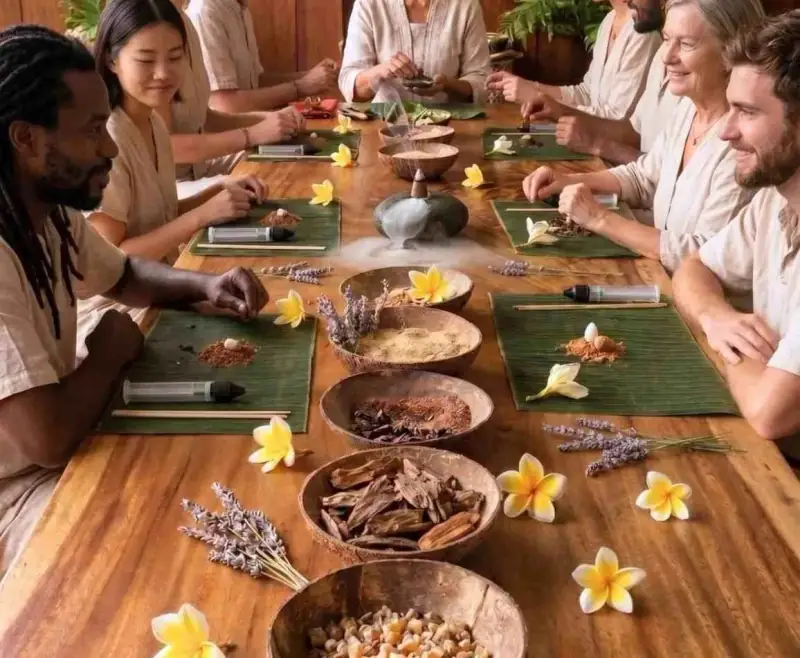
Located at Jl. Bisma No. 85 in the heart of Ubud, Bali, our skill-transfer workshop gives you full access to our extensive botanical library. You will smell raw woods, resins, and spices, calculate your own golden ratio formula, knead your dough, and hand-roll your personal sticks and cones.
We are so confident you will master the craft that every participant receives a customized ceramic burner and a Free Take-Home DIY Incense Kit—so your first batch in Ubud is never your last.
👉 Book Your Seat at the Sacred Smoke Incense Course Today and learn how incense really works!
Written by Gi — Founder & Head Artisan Teacher at Sacred Smoke Incense Studio, Ubud, Bali