DIY & How-To Guides
How to Keep an Incense Recipe Notebook
Keep one dated record for each incense batch. Write down the ingredients, quantities, water added, shaping method, and drying conditions, then add your...
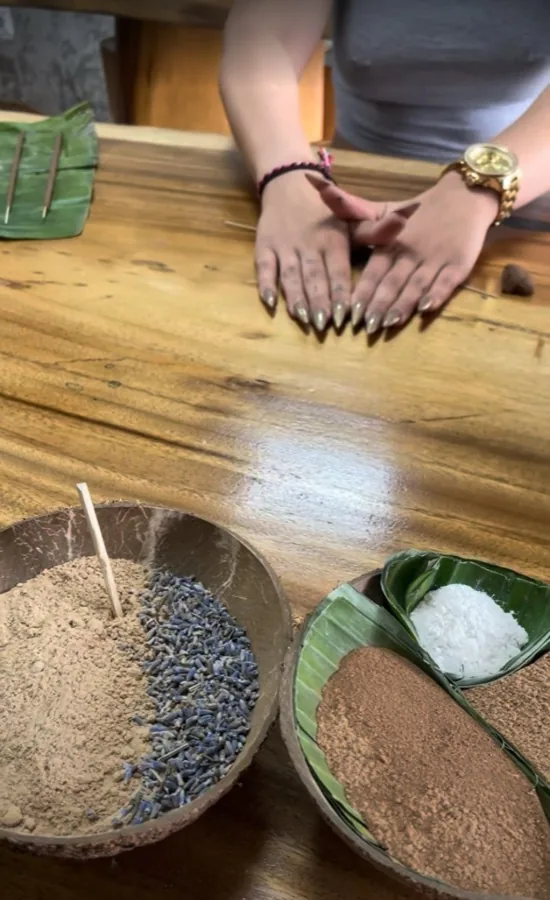
Keep one dated record for each incense batch. Write down the ingredients, quantities, water added, shaping method, and drying conditions, then add your observations when you test the finished incense.
You do not need a special journal. A notebook or a simple digital document is enough. The aim is to remember what you actually did, so your next batch starts with useful information instead of a guess.
Give each batch a name before mixing
Use a short code such as “Rosha practice 01” or “wood blend 02,” plus the date. Keep that code beside the drying batch so you can connect the finished sticks with their notes.
Science Buddies' laboratory notebook guide recommends recording procedures, observations, and questions as a project develops. We can apply that simple record-keeping approach to incense practice. It is general experimental guidance, not an incense recipe.
Write while you work. If you add water and only try to remember the amount later, the record is already less useful.
Copy this batch record
Use these fields as a starting point:
- Batch code and date: give this attempt its own identity.
- Recipe or kit: include the maker, recipe version, or kit name.
- Ingredients: copy the names and quantities, including the binder.
- Measurement units: grams, millilitres, or the exact spoon size used.
- Water added: record each addition and the total if measured.
- Dough notes: describe what you see and feel, such as sticky, crumbly, or easy to roll.
- Shape: bamboo stick, solid stick, or cone; record approximate dimensions if measured.
- Drying setup: location, spacing, start date, and any changes you make.
- Conditions: record humidity or temperature only if you measured them; otherwise use a plain description.
- Test notes: date tested, whether it stayed lit, and your scent observations.
- Next question: one thing you want to understand or change.
For a pre-measured kit, you may not know each ingredient's weight. Write “manufacturer's prepared blend” and the kit name. Do not invent quantities to fill the page.
Separate observations from explanations
“The stick went out twice” is an observation. “There is too much binder” is a possible explanation. Keep them separate so a guess does not become a fact in your notes.
Try this format:
- What happened: the coating cracked during rolling.
- What I changed: nothing yet.
- What I will check: whether I followed the water and mixing instructions.
If a dried stick keeps going out, use our burning troubleshooting guide to decide what to check. Do not change the formula simply because one test disappointed you.
Change one thing when comparing batches
For a useful comparison, choose one factor to change and record what stays the same. Science Buddies' guide to variables explains why changing several factors together makes it harder to identify the cause of a result.
For example, if you are practicing a thinner coating, keep the same prepared blend and follow the same mixing instructions. Record the new thickness and any difference you notice. If the drying location also changes, note it as a limit to the comparison.
This is a way to organize practice, not a guarantee of a particular result. Different materials and recipes still need their own instructions.
Keep photos with the right batch
A photo can help you compare shape or surface texture. Put the batch code in the filename or photo note, and describe what the picture shows.
Do not use a photograph as proof that a stick is fully dry. Keep the drying record and follow your recipe's checks before burning. Our drying guide explains why a single timetable does not fit every batch.
Use your notes for the next attempt
At the end, write one short conclusion: what you would repeat, what remains uncertain, and the next step you will try.
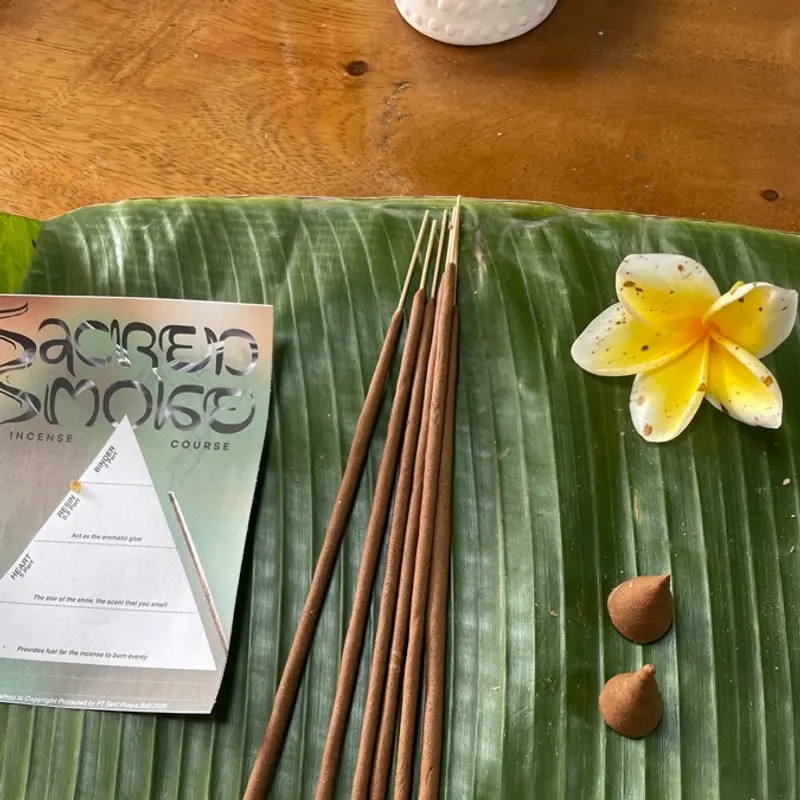
If you are using a Sacred Smoke DIY kit, follow the kit tutorial first and record your practice alongside it. Your notebook supports those instructions. It does not replace them. 🌿
Sources and further reading
- Science and Engineering Project Laboratory Notebooks, Science Buddies. Supporting reference for recording procedures and observations.
- What are Variables?, Science Buddies. Supporting reference for changing one factor and keeping track of the others.