DIY & How-To Guides
How to Dry Incense Sticks Perfectly in Humid Climates
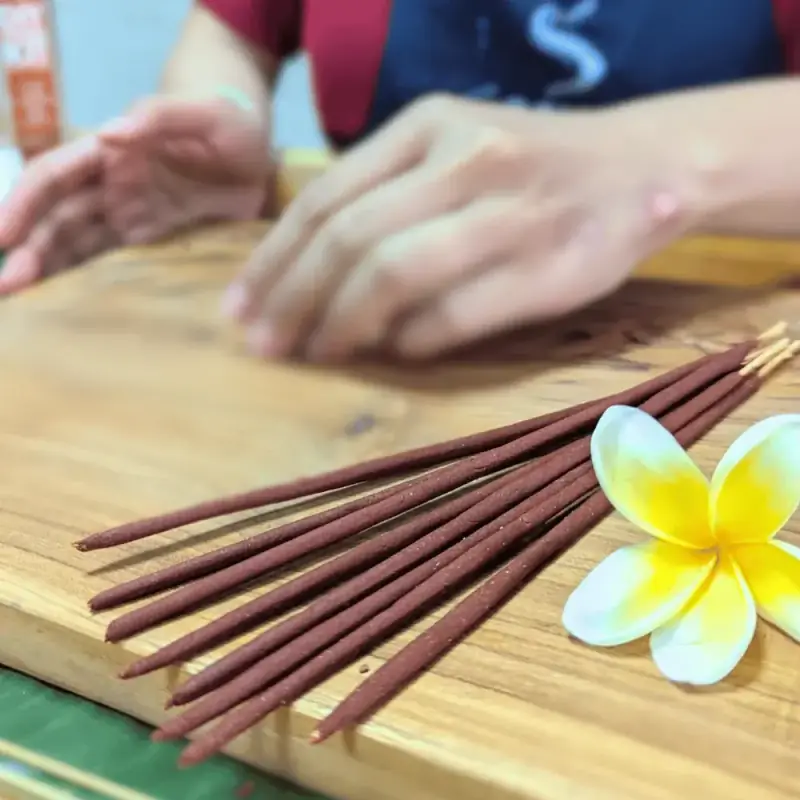
Dry your incense in shade with space between the sticks and gentle airflow. In humid weather, check the batch before packing it: a firm surface does not...
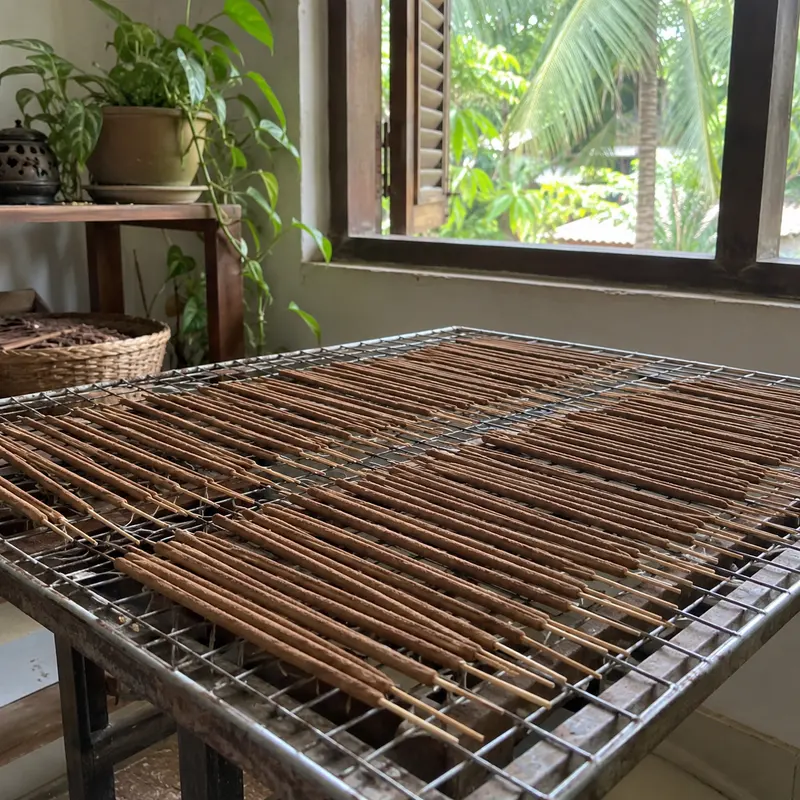
Dry your incense in shade with space between the sticks and gentle airflow. In humid weather, check the batch before packing it: a firm surface does not always mean the middle is dry.
Table of Contents
Ideal Temperature and Humidity Ranges for Curing
There is no one drying time or humidity target that works for every handmade stick. Your room, the amount of water in the dough, and the thickness of the incense all matter.
Think of drying as something to check, not a countdown. Incense maker Nippon Kodo describes controlling air, moisture and temperature during drying. Its factory process takes several days, but that is not a timetable for your home batch.
Try this setup first:
- Choose a shaded, sheltered place where air can move.
- Leave a gap between sticks. Do not stack wet incense.
- Keep the rack away from rain, cooking steam and damp walls.
- If the room feels still, try a fan moving air across the room, rather than a strong blast at the sticks.
- Check thick and thin sticks separately. Do not assume they finish together.
Can I put the incense in the sun?
For a first batch, use shade. Strong sun is difficult to control, especially when one side heats faster than the other. A hot outside is not proof of a dry middle.
IncenseMaking's makko guide explains that fast drying can cause curling and cracks. The practical goal is steady drying, not the hottest possible spot. We would not use an oven, microwave or hair dryer to hurry an unfamiliar recipe.
Using Cardboard and Wooden Mesh Racks
Use a clean surface that supports your sticks without trapping them in a wet pile.
- Mesh rack: useful when the dough is firm enough to keep its shape. Make sure thin sticks cannot fall through.
- Clean, plain cardboard: a simple option for a small batch. Replace it if it becomes damp; avoid printed, scented or dirty packaging.
- Solid tray: check the underside too. Gently reposition firm sticks if they are drying unevenly.
Do not pull soft incense off a surface just to turn it. Let it firm up enough to move without stretching. Leave some bare bamboo available to handle a bamboo-cored stick.
Preventing Tropical Mold and Mildew
A sealed tube is for storage after drying. Putting fresh incense in one can trap moisture.
Check the batch each day:
- Is the surface still soft or tacky?
- Is the drying surface damp underneath?
- Are the sticks touching or bending?
- Is there fuzzy growth or an unexpected musty smell?
If you see suspected mould, keep that batch separate and discard the affected incense. Do not try to make it usable by burning it. Clean and dry the rack before another batch.
Is the incense ready to pack?
Use several checks together. Colour and smell alone cannot tell you that a stick is ready.
- Check a thicker stick as well as a thinner one.
- Compare the underside with the top.
- If you have a precise scale, weigh the same small sample at the same time on successive days. A stable weight is a useful clue, not a guarantee in changing humidity.
- Test one stick in a suitable holder before packing the batch. Let it cool completely before handling the ash.
Still going out? Give a test sample more drying time before changing the recipe. Then work through our incense troubleshooting guide.
Using a Sacred Smoke DIY kit? Follow the instructions supplied with your kit first, and use these checks to adjust for your room. Keep notes on the date, weather and stick thickness. Your next batch becomes much easier to judge. 🌿
👉 Want to practise from home? Compare our DIY incense kits, or join our incense course in Ubud for guided making.
Sources and further reading
- Supporting source: How incense is made, Nippon Kodo. Describes the manufacturer's controlled drying process.
- Supporting source: Makko powder, IncenseMaking. Explains binding and problems with rapid drying.