Balinese Botanical Library
How Is Star Anise Used in Natural Incense?

At a glance
Star anise is the dried star-shaped fruit of Illicium verum. In natural incense it acts as a bright spice accent rather than a base, adding licorice-like anethole aroma. Use it lightly because strong spice powders can dominate a blend and irritate sensitive noses.
Star anise is a small ingredient with a big voice. It can make an incense formula feel festive and culinary, but only when it is treated as an accent.
What botanical source does star anise come from?
Star anise is the dried fruit of Illicium verum. The Indian Spices Board describes it as a star-shaped fruit with six to eight carpels, harvested from an evergreen tree.
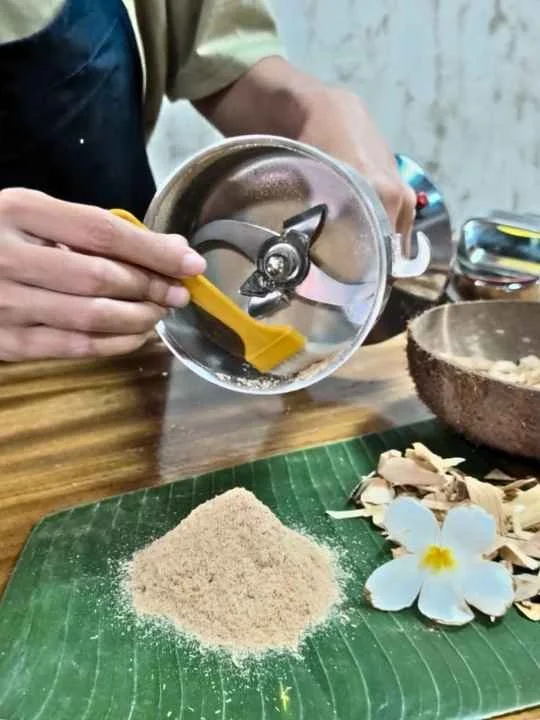
For incense, the dried pod is ground finely and blended with softer woods or resins so the spice note does not sit on top of the smoke.
How does star anise smell in smoke?
Star anise gives a sweet licorice-like note associated with anethole. It is clear and bright before burning, then warmer and drier in smoke.
It should be used with caution around perfume-sensitive guests because recognizable spice smoke can feel intense in small rooms.
What ratio should beginners test first?
Start between 1-5% of the dry aromatic formula. Pair it with sandalwood or another gentle base before adding resin.
If the blend smells like kitchen spice instead of incense, reduce star anise and add a grounding wood.
What are the key specifications?
| Specification | Star Anise Use |
|---|---|
| Latin name | Illicium verum |
| Plant part | Dried fruit pod |
| Aroma | Sweet, licorice-like, bright spice |
| Incense role | Top-note spice accent |
| Beginner range | 1-5% of dry aromatic formula |
What do people usually ask?
Can star anise be the main incense ingredient?
It is better as an accent. As a main ingredient it can overpower the blend and make the smoke feel sharp.
Is every star anise species safe to use?
No. Similar Illicium species can be toxic if consumed. Sacred Smoke treats star anise as a sourced incense spice and does not recommend ingesting workshop materials.