Balinese Botanical Library
What Is Sandalwood in Natural Incense?

At a glance
Sandalwood is a fragrant heartwood used as a warm, steady base in natural incense. The accepted species Santalum album grows across Java to northern Australia, and its powdered wood supports slow combustion, soft smoke, and a creamy woody aroma when blended with resins and spices.
Sandalwood is one of the most recognizable base materials in incense. In a natural blend it is not just perfume; it is structure, warmth, and burn support.
What botanical source does sandalwood come from?
The most cited incense and perfumery sandalwood species is Santalum album L. Kew's Plants of the World Online treats the species as accepted and places its native range from Java to northern Australia.
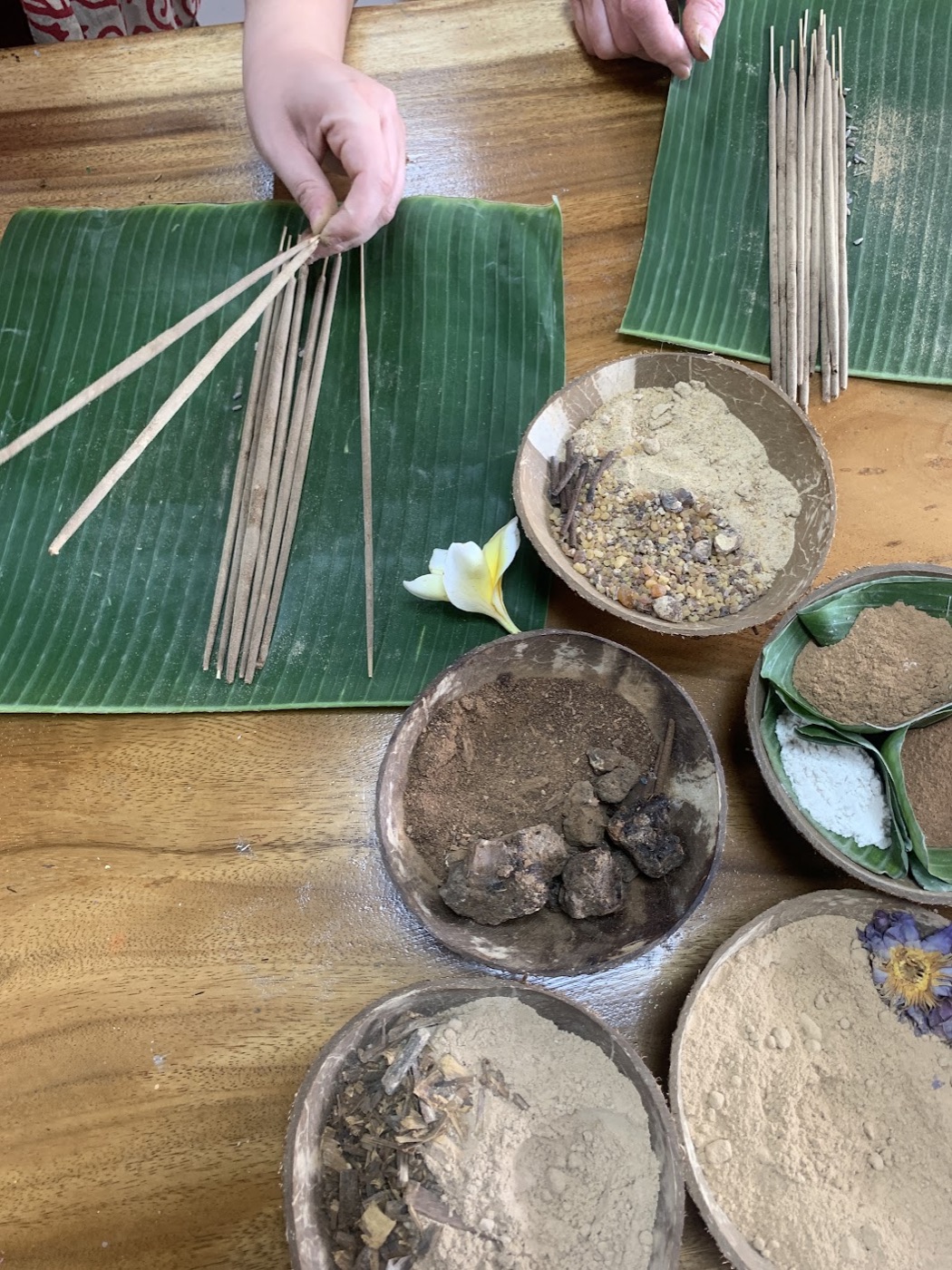
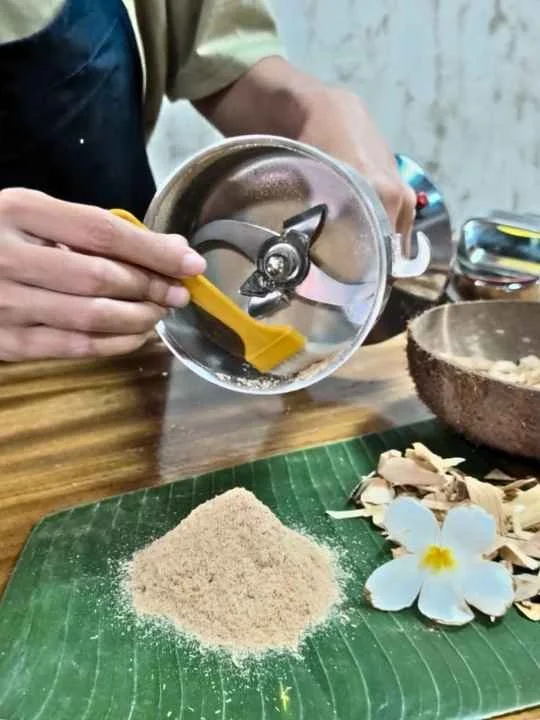
For Sacred Smoke blending, sandalwood is handled as a powdered wood base. It should smell recognizably woody and creamy before burning, not like a loud synthetic perfume.
How does sandalwood behave when burned in incense?
Sandalwood powder burns more evenly than many resin-heavy ingredients and can soften sharp spice notes. It is useful when a formula needs body without becoming smoky too quickly.
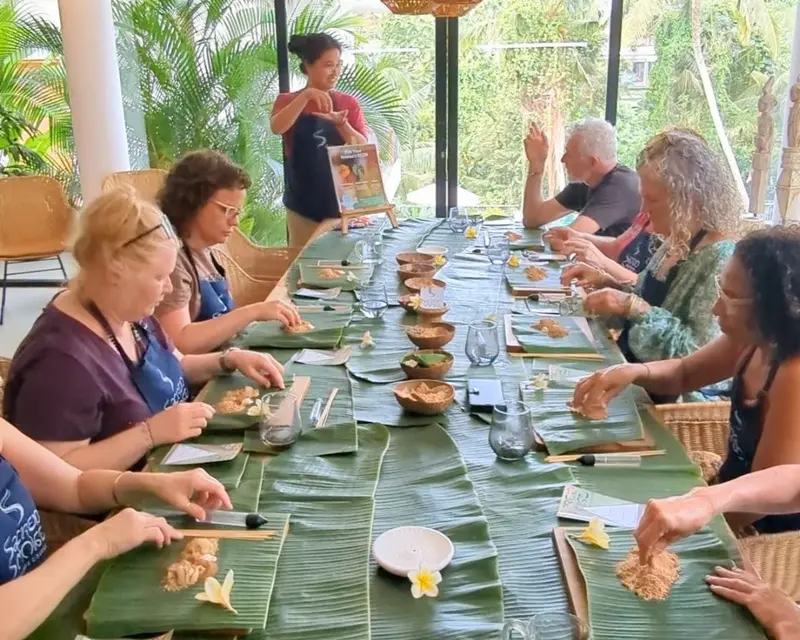
Because real sandalwood is valuable, workshop batches should be tested in small ratios and compared against lower-cost woods before scaling.
What ratio should beginners test first?
A beginner formula can start with sandalwood as 30-60% of the dry aromatic base, then use a separate natural binder such as laha or joss powder to hold the dough together.
If the stick extinguishes, do not automatically add more sandalwood. Check moisture, grind size, and binder before changing the aromatic base.
What are the key specifications?
| Specification | Sandalwood Use |
|---|---|
| Common name | Sandalwood |
| Latin name | Santalum album L. |
| Incense role | Woody base, aroma foundation, combustion support |
| Aroma profile | Warm, creamy, soft wood |
| Beginner blend range | 30-60% of dry aromatic base before binder adjustment |
What do people usually ask?
Is sandalwood enough to bind incense by itself?
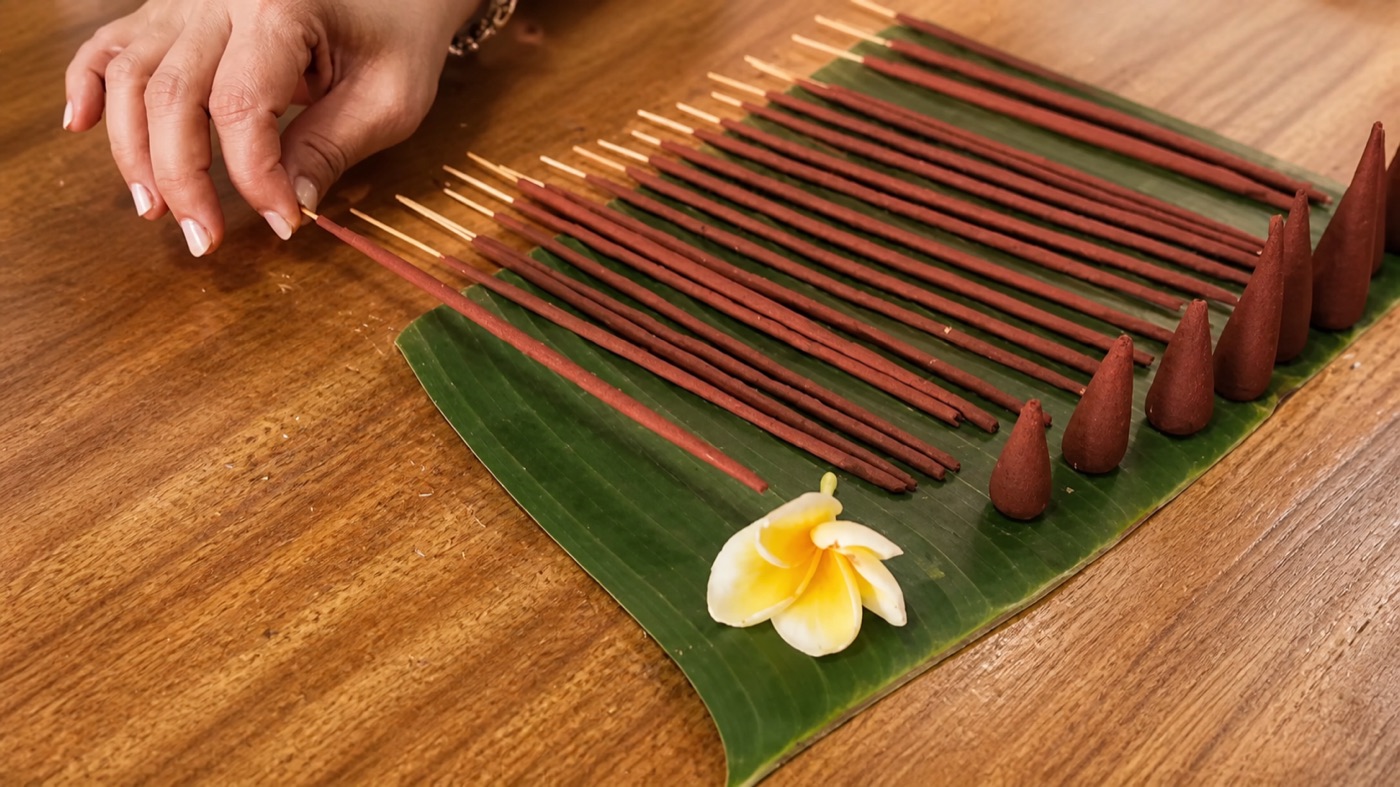
No. Sandalwood can support burn and aroma, but a natural binder such as laha, joss, or makko-style powder is usually needed to form durable sticks or cones.
Why does some sandalwood incense smell like perfume?
Some commercial sticks rely on fragrance oils rather than the natural heartwood aroma. Sacred Smoke's 0-synthetic approach favors recognizable botanical powders and restrained scent.