Health & Wellness
Pet Safety: Incense Ingredients That Are Toxic to Cats & Dogs
No incense ingredient can guarantee safe smoke for cats or dogs. Separate three risks: breathing smoke, swallowing a product, and contact with...
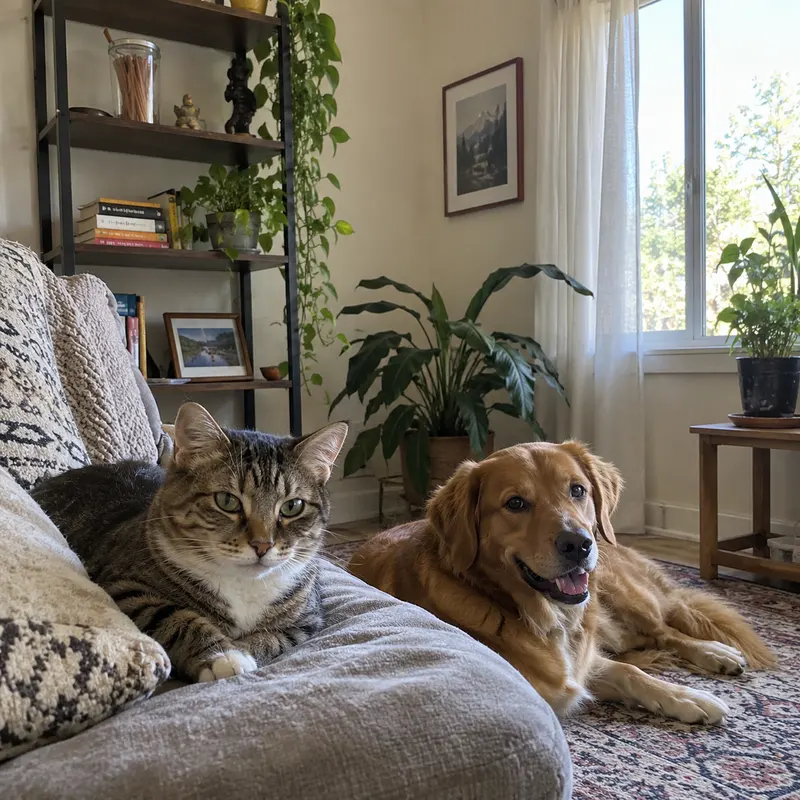
No incense ingredient can guarantee safe smoke for cats or dogs. Separate three risks: breathing smoke, swallowing a product, and contact with concentrated oils. “Natural” on a packet does not answer any of those questions.
Is incense smoke safe around pets?
Our cautious recommendation is to avoid burning incense in a room your pet uses, especially if they have breathing problems. Do not use a sweet smell or a quiet pet as proof that exposure is harmless.
Veterinarian Heidi Houchen's VCA teaching notes on environmental emergencies list incense among triggers to avoid in feline asthma guidance. These notes discuss smoke-related emergencies; they do not establish a safe daily dose of incense.
An open window may reduce a lingering smell. It does not turn a blend into a tested pet-safe product. Ask your vet about your own animal, particularly if there is asthma, coughing or another respiratory condition.
Which ingredients need extra care?
Concentrated essential oils
ASPCA Animal Poison Control explains that concentrated essential oils can harm both cats and dogs through contact or ingestion. Concentration and the product's formulation matter.
VCA's veterinary guide to essential-oil poisoning in cats identifies oils including tea tree, cinnamon, citrus, peppermint, pine, wintergreen and ylang ylang as concerns for ingestion or skin exposure.
That is not a toxicity ranking for burning incense. A concentrated oil, a raw botanical powder and smoke from a finished stick are different exposures. Do not use an oil list to declare every unlisted incense ingredient safe.
Woods, resins and other powders
Sandalwood or frankincense on a label is not a safety certificate. Neither is “no synthetic fragrance.” Check the full product and how the animal could reach it.
Keep these out of reach:
- Unburned sticks and cones.
- Loose powders, resins and wet incense dough.
- Oils and open mixing bowls.
- Hot burners, ash and used sticks.
Store materials in closed, labelled containers. Clean the making surface before letting pets near it.
What should I do if my pet reacts?
Stop using the product. If it is safe to do so, move the pet away from the exposure and contact your vet.
Treat breathing difficulty as urgent. Other concerning signs after oil exposure include drooling, vomiting, weakness, poor coordination or tremors. VCA advises prompt veterinary help for suspected oil poisoning.
- Bring the packaging or a clear ingredient-label photo.
- Tell the vet whether the pet breathed smoke, swallowed something or got oil on its coat.
- Note when it happened and which signs you saw.
- Do not induce vomiting or try a home remedy unless your vet directs you.
In Bali, contact a local veterinary clinic rather than relying on an overseas poison-centre number. If breathing is difficult, seek emergency care immediately.
A smoke-free choice is a valid choice
You do not need to burn incense in a shared pet space. We make and teach incense, but we do not describe our blends or DIY kits as pet-safe.
If you want to learn the craft, our incense course in Ubud and DIY incense kits are separate learning options. The same storage precautions apply to kit materials at home. Buying a different blend does not replace veterinary advice.
Sources and further reading
- Supporting source: The essentials of essential oils around pets, ASPCA Animal Poison Control. Concentrated-oil exposure in cats and dogs.
- Supporting source: Essential oil and liquid potpourri poisoning in cats, VCA Animal Hospitals, veterinary toxicologists. Oil exposure, signs and response.
- Supporting source: Environmental emergencies, Heidi Houchen, DVM, VCA Northwest Veterinary Specialists, 2025. Feline asthma section, PDF page 10.