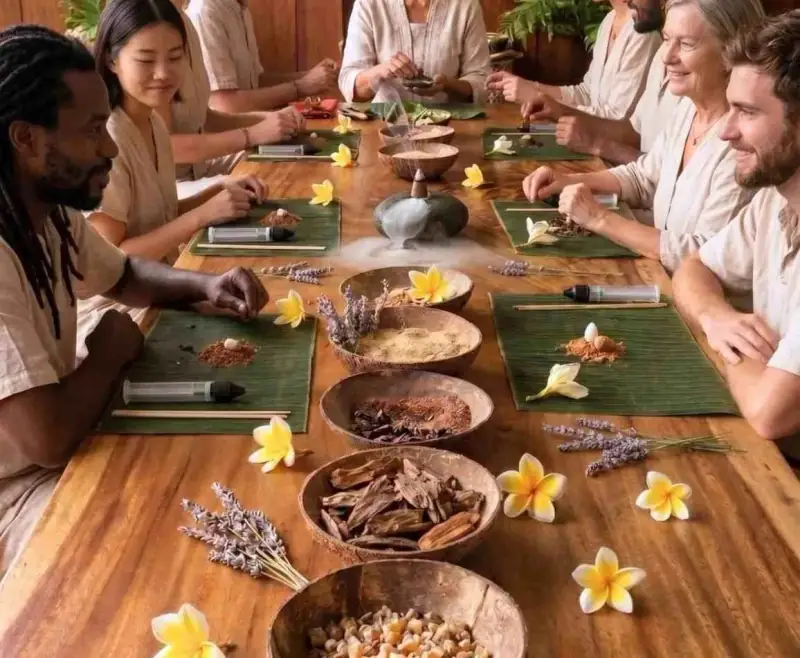
Bali smells like incense long before you understand why. You notice it at compound gates, temple steps, roadside shrines, and small daily offerings. The smoke is everywhere, but its meaning is not decoration.
Why does incense appear so often in Bali?
Across Bali, incense often appears beside canang sari offerings, temple ceremonies, family compounds, and small daily acts of devotion. The smoke marks attention; it says this moment is not ordinary.
For visitors, the first lesson is restraint. The visible smoke is easy to photograph, but the meaning belongs to the people practicing.
Do Balinese families still make incense by hand?
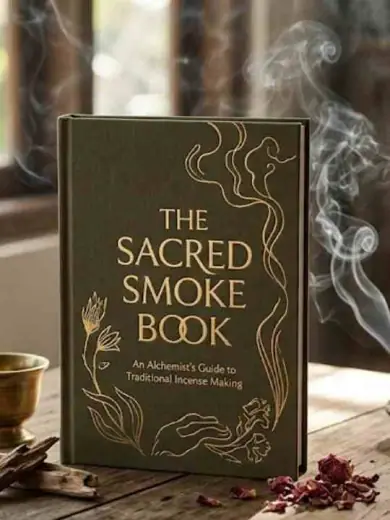
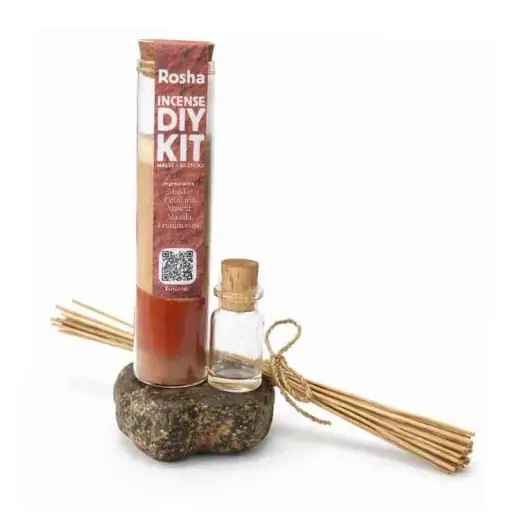
Hundreds of years ago, hand-prepared aromatic materials were closer to daily life. Today, most Balinese families buy finished incense because modern life, ceremony volume, and factory supply changed the craft.
That does not make the smoke less meaningful. It does mean travelers should be careful with the romantic idea that every stick in Bali is still handmade at home.
Why does Sacred Smoke teach the craft now?
Sacred Smoke began from falling in love with an ancient craft and wanting people to understand it with their hands, not only buy it from a shelf.
The class is not a ritual initiation. It is a skill-transfer course: smell the raw materials, learn how ratios work, burn-test the blend, and leave with the ability to begin your own incense-making journey.
Smoke is not decoration when it carries attention.
Key historical notes
| Theme | What It Means |
|---|---|
| Cultural care | Use humble language and avoid claiming ownership |
| Workshop bridge | Connect context to materials and hands-on learning |
| Spiritual tone | Respectful, present, and never performative |
| Craft truth | Modern Bali uses more factory incense than travelers expect |
| Voice | Educational, calm, and artisan-led |
Questions
Is Sacred Smoke teaching Balinese Hindu ritual?
No. Sacred Smoke teaches natural incense craft in Ubud and offers respectful cultural context where appropriate.
Should culture pages sound mystical?
Only lightly. Incense has a spiritual history, but Sacred Smoke is not selling ritual theater. The voice should stay educational, calm, and specific.